Published on:
Published on:
Staying organized at school can be a challenge. Lockerbones aimed to solve that problem, with its innovative locker organizers. This post will explore Lockerbones’ journey, from Shark Tank fame to its current net worth of $2 million.
Keep reading for insights on their ups and downs.
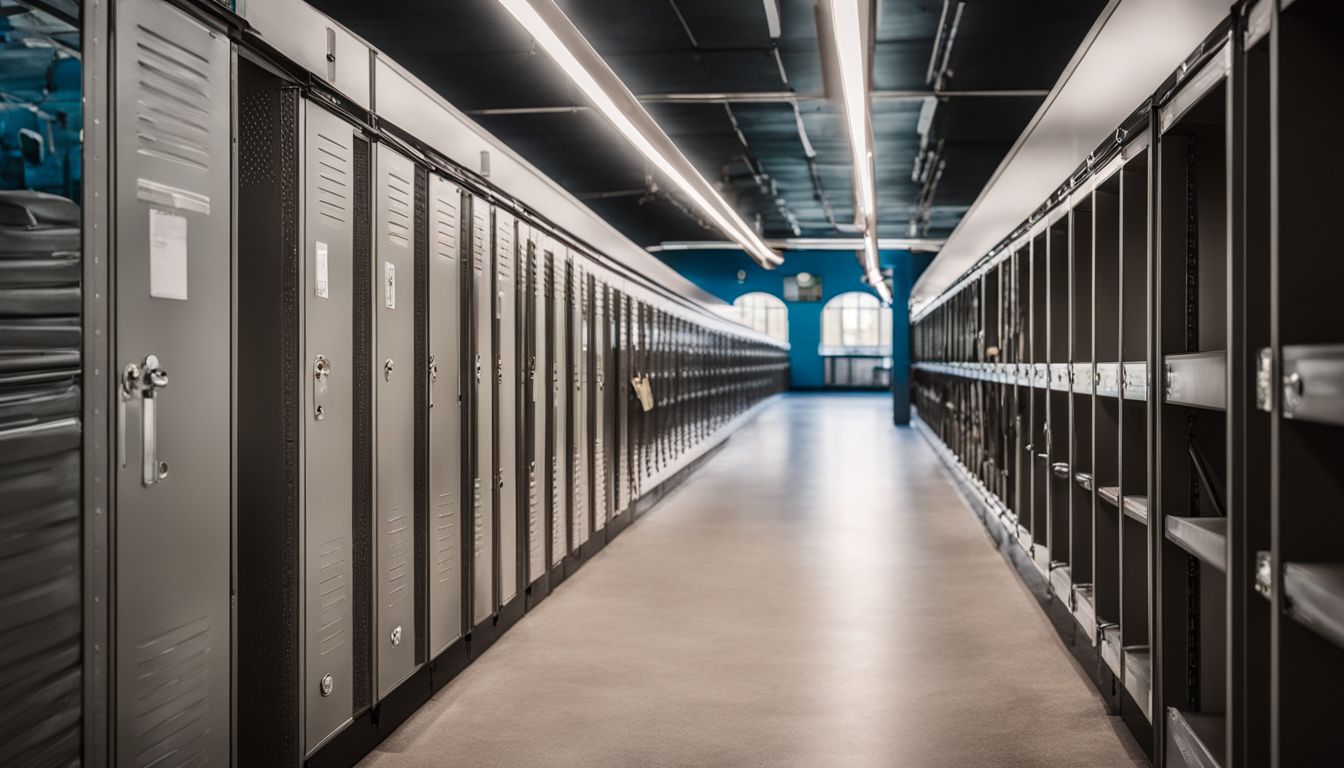
Moving from the introduction, we dive into the story of Greg Cronin and Steve Coachys. They came together with a groundbreaking idea. Their goal was clear – to revolutionize how students use their school lockers.
With patented tracks and vertical dividers, Lockerbones was born out of a need for better organization. They envisioned a system that not only maximized space but also kept belongings orderly and within easy reach.
Their initial vision focused on simplifying back-to-school preparations. Knowing how chaotic locker setups could be, they aimed to create a solution that brought peace and structure to this overlooked aspect of student life.
This innovative approach promised to make locker management effortless for kids everywhere, aligning perfectly with their target market’s needs.

Greg Cronin and Steve Coachys walked into the Shark Tank with a vision. They wanted to transform messy school lockers across America with their innovative product, Lockerbones. Their pitch grabbed the attention of the sharks, especially Lori Greiner and Robert Herjavec.
The atmosphere was tense, yet filled with promise as negotiations began. Eventually, they struck a deal with Lori Greiner, securing an investment that would catapult Lockerbones into new heights of success.
This Shark Tank appearance wasn’t just another pitch; it was a turning point for Lockerbones. Greg and Steve used clever marketing strategies to make the most out of their moment in the spotlight.
They engaged actively on social media platforms, leveraging their Shark Tank exposure to build a solid network of supporters. This strategy paid off—Lockerbones saw a significant increase in sales through Amazon.com and various retail stores, marking an exciting phase of growth for the company inspired by one pivotal moment on television.
Lockerbones made money through direct sales, partnerships with retail stores, and collaborations with schools. Their products aimed at students looking to organize their school lockers efficiently, tapping into the back-to-school program market.
This approach helped them reach a wide audience, from individual buyers online eager for neat lockers to mass market retail chains interested in offering innovative organizational solutions.
Their appearance on Shark Tank and active use of social media for marketing played crucial roles in boosting brand awareness and reputation. They also focused on keeping manufacturing costs low without compromising quality, ensuring competitive pricing for their target audience.
Next up, let’s dive into the challenges Lockerbones faced and how they positioned themselves in the market.
Facing inventory management hurdles was a big challenge for Lockerbones. The company worked hard to keep up with market trends and sustain its growth, making sure they had the right amount of products at all times.
Streamlining the manufacturing process helped, but responding quickly to what customers wanted proved tough. They always aimed to offer an innovative solution for locker organization that really made a difference in schools.
Market position offered another mountain to climb. Competing against generic organizers wasn’t easy, especially when trying to stand out as more than just another back-to-school product.
Their Shark Tank appearance and active social media engagement played key roles in marketing strategies, aiming to catch more eyes and hearts. Partnering with schools brought Lockerbones closer to their target users, creating opportunities for direct sales and special school programs that boosted their visibility in the crowded marketplace.
Tracing the evolution of Lockerbones and its current net worth reveals a story of innovation, adaptation, and the challenges of sustaining a business in a competitive market.
| Year | Key Developments | Estimated Net Worth |
|---|---|---|
| Pre-Shark Tank | Lockerbones begins as a home-based business, focusing on wooden locker organizers. | Not Disclosed |
| Shark Tank Appearance | Shifts to plastic-based product to reduce costs and price point for consumers. | Significant Interest |
| Post-Shark Tank | Sales surge, products available on major platforms like Staples and Amazon. | Growth in Revenue |
| 2018 | Last active social media update, indicating a potential decline in active marketing efforts. | Decline Begins |
| 2023 | Products no longer available on Staples or Amazon, indicating a significant downturn. | Unknown |
From its inception as a home-based venture, Lockerbones has navigated the peaks and valleys of entrepreneurship. The transition to a plastic-based product marked a pivot aimed at reducing costs and broadening appeal. However, the subsequent disappearance from major retail platforms and halt in social media activity signals a stark shift in fortunes. Without current sales data or public financial records post-2018, the exact net worth remains uncertain. Yet, this trajectory underscores the inherent volatility of the startup ecosystem and the continuous need for innovation and adaptation.
Lockerbones’ journey has been quite the rollercoaster, from a bright idea to a Shark Tank success story. Greg Cronin and Steve Coachys took an everyday problem and turned it into a $2 million venture.
They overcame production hiccups and navigated market challenges with smart strategies and Lori Greiner’s mentorship. Yet, staying ahead in the fast-paced world of organizing solutions means constantly innovating.
Lockerbones proved that even in niche markets, big dreams could achieve impressive heights.
Discover how another innovative startup, Third Wave Water, has navigated the business world by exploring their current net worth here.
Lockerbones soared in popularity due to its innovative back-to-school program, which utilized catchy advertising and effective distribution channels. Their user-friendly website made checkouts a breeze, even accepting various forms of electronic communications for payments like credit cards.
They were ahead of the curve, using the latest image file formats – png and webp – to make their online presence visually appealing. Plus, they kept all information secure through advanced internet service provider protocols.
Yes, indeed! While initially thriving, misunderstandings about valuations crept in. People began questioning if cookies from browsing could affect personal data security or influence the ads seen during an internet session – a myth that needed busting!
Mentorship played a crucial role; it wasn’t just about guiding them through setting up ICOs or enhancing user profiles but also navigating the complex world of e-commerce with wisdom and foresight.
The decline began when competition stiffened and consumer preferences shifted towards more integrated electronic communications solutions for educational needs – something beyond what traditional image files or checkout systems could offer alone.